
A fresh coat of paint has the power to completely transform a room. Whether it's your home library, your kitchen, or a powder room, it brightens, refreshes, and makes everything feel new again. But what about when it's time for a touch-up? Over time, walls can fade, chip, scuff, or lose their luster, leaving you wondering if that leftover can of paint is still good. Before you grab a roller, it helps to understand what you’re working with—and how long paint lasts in a can.
For starters, you should know that latex paint is used for almost everything these days, including interior and exterior applications such as walls, trim, and doors. And the good news is, it's also the easiest paint to clean. "Latex paint is water-based paint, which means it’s an easy water cleanup," says Rick Watson, director of product information and technical services at Sherwin-Williams. "Within the latex category, there are a number of different formulations, such as acrylic or vinyl acrylic."
Other types of latex finishes include chalk paint, which has a flat or matte appearance, and milk paint, which has a more historical, distressed look. "These paints are used for decorative projects such as crafts or re-doing an old thrift store find such as a dresser or nightstand, because they’re simply not durable enough for something like walls," says Watson. Another type of paint you may see is oil-based, which must be cleaned up with a solvent such as mineral spirits. Oil-based paints are, well, rather smelly. And because they’re harder to clean up, this type of paint has lost popularity.
When it comes to painting projects, it's always better to have more paint than you need. But as mentioned above, you need to know how long paint lasts, and how to store it properly so it can actually be used again. So, grab your painter's tape and read on for everything you need to know.
How long does paint last?
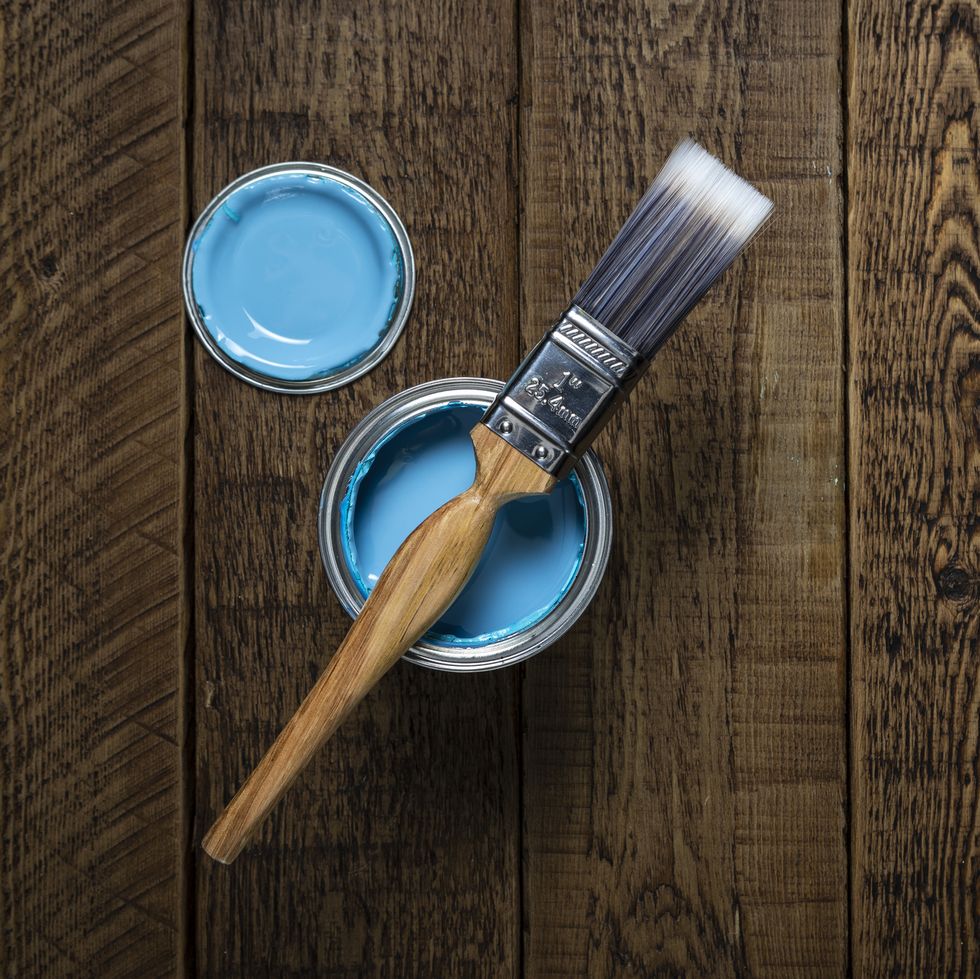
The answer depends on the type of paint and how it’s been stored. In general, unopened latex paint can last up to 10 years, while opened cans typically stay good for about 2 to 5 years if they’ve been sealed tightly and kept in a cool, dry place. Oil-based paint tends to last longer—up to 15 years unopened and around 5 to 7 years once opened.
All that said, storage conditions matter just as much as age. Be sure your paint has been stored in a cool, dry place and hasn't been exposed to extreme heat or freezing temperatures. Check out the list below for broad estimates on how long different types of paint will be good for.
- Latex paint: 2 to 10 years
- Acrylic paint: 2 to 15 years
- Oil-based paint: 5 to 15+ years
- Chalk paint: 1 to 5 years
- Milk paint, mixed from powder form: 1 to 7 days
- Milk paint, premixed in can: 1 to 2 years
Can I use old paint?
Sometimes! If you open the can and the paint looks okay and smells like paint (meaning it doesn’t have a funky odor), try stirring it up. If there’s a lot of sludge or chunks that won’t incorporate once you start mixing, it’s probably not a good idea to use it, says Watson. But you can always take a trip to the paint store to get a professional’s opinion.
On the other hand, if you discover a layer of paint scum, this means that air has gotten into the can and the top layer of paint is drying. In this case, you can try to salvage it: Lift off the dried layer and toss it. Then stir the paint well and apply
How can you tell if paint has gone bad?
There are a few pretty obvious signs that your paint has gone bad. If it smells sour or stinky, like rotten eggs, it’s definitely no longer okay to use. This is because bacteria is likely present, causing the odor. “It also will have poor adhesion, may not dry, and may retain the odor once you’ve applied it to a surface,” says Watson.
Save yourself the headache and just toss it! To get rid of it safely, check with your local municipality for proper disposal.
How do you store paint?
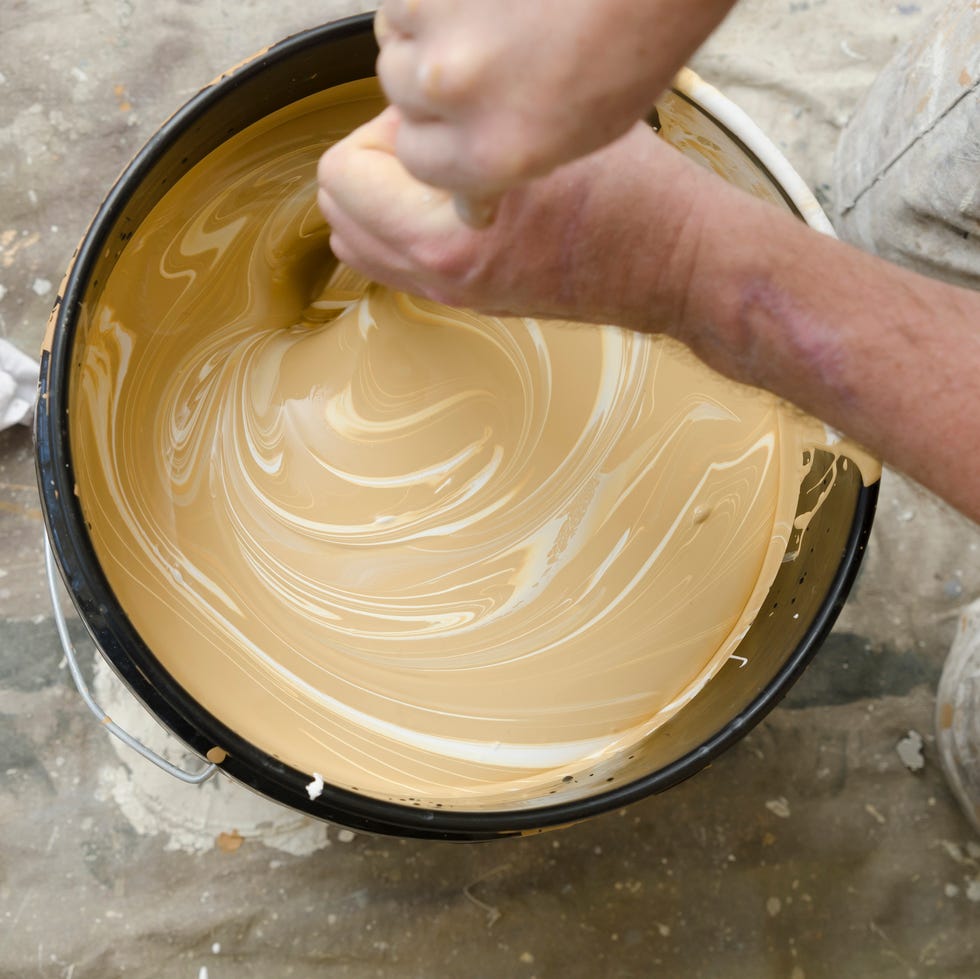
To make sure you get a long shelf life out of your paint, be sure the container is properly sealed, then stored in a dry, conditioned spot at the right temperature for the type of paint that you have. The thing you should really know is, no matter what kind of paint it is, you can always keep leftover paint. “The most important step is to keep air out of the can,” says Rick.
Wipe all the residue from the top groove of the paint can and around the edge of the lid, then put the lid back on. Place a block of wood on top of the lid, which will help you hammer the lid on more evenly, and then use a rubber mallet to tap it into place. Don’t forget to use a permanent marker to jot down where and when you used the paint on the lid or the bottom of the can so you’ll have it ready for touch-ups down the road.
Store leftover paint in a space that’s between 50 and 90 degrees F. You don’t want it to freeze (so no garage) or get too hot (so no attic). And keep it away from any sources of humidity and heat, such as a hot water heater, furnace, or direct sunlight. You'll also want to avoid areas with the possibility of freezing.
It's also important to keep your paint clean and bacteria-free. To do this, always pour the paint into a tray or cup before using it so you're not directly dipping paint brushes or rollers into the can. When you're finished, dispose of the remainder or store it separately from the rest of the can instead of pouring it back in.
If there’s only a teeny, tiny amount of paint left and you don’t have space to store the can, some people like to pour leftover paint into a smaller recycled plastic container with a screw-on lid. But be sure to keep the label and/or lid, which contain the product number, color formulation, and warranty info. Now, when the time comes for touch-ups or a whole new look, you'll be ready!
Arricca Elin SanSone is a writer, editor, and content creator who specializes in lifestyle and gardening. With a background in health reporting, she applies these same research skills when writing about the science of growing things. She trials new plants in her expansive garden, and her houseplant collection consists of 60+ varieties. Arricca has written thousands of articles for publications such as Country Living, House Beautiful, Good Housekeeping, Prevention, VERANDA, Southern Living, and more. She’s happiest when digging in the dirt, baking, or spending time with the people and dogs she loves.
Macie Reynolds is the assistant editor of E-Commerce and SEO for The Pioneer Woman.


