I love food. Have I mentioned this before? I also love lemon, chicken, and pasta recipes. This is a scrumptious chicken and pasta dish with a strong lemon flavor and the decadence of cream. I had a similar dish at a restaurant in the big city a million years ago and on the drive back to the ranch I started plotting when I could make the dish for myself at home. But that's how I roll. Once one meal is over, planning for the next meal begins.
This is one of those 30-minute meals that your family will love and ask for over and over and over again. It's simple, tangy, and pretty darn delectable, which is everything I’m looking for in chicken dinner recipes. Give it a try and let me know what you think!
What is chicken piccata sauce?
Most chicken piccata sauces are made with a combination of white wine, butter, and lemon juice, but I have a pathological fear of cooking anything without adding heavy cream! So this one has some heavy cream to thicken it up, and some chicken broth to thin it out. It's light and zesty but still decadent.
Can you use chicken thighs instead of breasts for chicken piccata?
Yes. Boneless, skinless chicken thighs work well in chicken piccata and stay especially juicy and flavorful. Use 2 pounds. You usually don’t need to pound thighs as thinly as chicken breasts, but it helps to flatten any especially thick parts so they cook more evenly. They may need a slightly longer cook time than chicken breasts, depending on their size, but the lemony sauce, capers, and buttery finish pair just as well with thighs.
What can you use instead of wine?
Use chicken broth. You won't get quite the same depth of flavor as you would with the wine, but this dish will still turn out delicious. Here are a few more white wine substitutes that you can try.
What type of pasta is best with chicken piccata?
I use angel hair to complement the light—but powerful—sauce. Spaghetti works, or even linguine.
Can you make chicken piccata ahead of time?
This dish is best made just before serving, but you can prep several components ahead of time. The chicken can be pounded and seasoned, the lemon juiced, and the parsley chopped up to 1 day in advance. Store each separately in the fridge. For the best results, wait to dredge and cook the chicken, make the sauce, and cook the pasta until just before serving.
How long does chicken piccata last in the fridge?
It'll stay good for up to three days in an airtight container in the refrigerator. Your best bet is to store the pasta, chicken, and sauce separately, and reheat each separately. The pasta can be reheated in the microwave. The chicken can be warmed in the microwave, on the stove over low heat, or in a 350-degree Fahrenheit oven until warmed through. Reheat the sauce gently on the stovetop over low heat, stirring occasionally, and add a splash of cream or broth if needed to loosen it.
1 Tbsp. chopped fresh parsley, plus more for serving
2 Tbsp. capers (optional)
8 oz. angel hair pasta
Directions
Step 1Have a pot of water simmering on the stove for the pasta.
Step 2If the chicken breasts are overly thick, pound them until slightly flattened. Sprinkle both sides of the chicken with the salt and pepper, then dredge in the flour.
Step 3In a large skillet, heat 1 tablespoon of the butter and 2 tablespoons of the oil over medium heat. Fry 2 chicken breasts at a time until golden brown on both sides, about 3 minutes on each side (a little longer if the breasts are thicker; a little shorter if the breasts are thinner). Remove the chicken to a plate. Add the remaining tablespoon of butter and remaining 2 tablespoons of olive oil. Repeat with the remaining chicken breasts, monitoring the oil/butter mixture to make sure it doesn't burn and decreasing the heat as needed.
Step 4After removing the chicken, lower the heat to medium-low. Pour in the wine, chicken broth, and lemon juice. Whisk the sauce, scraping the bottom of the pan. Increase the heat to medium and allow the sauce to cook, bubble, and thicken until reduced by about half or two-thirds. Sprinkle in a little salt and pepper as it's cooking.
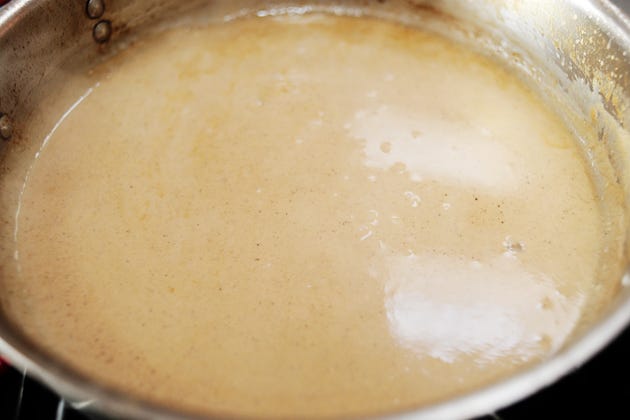
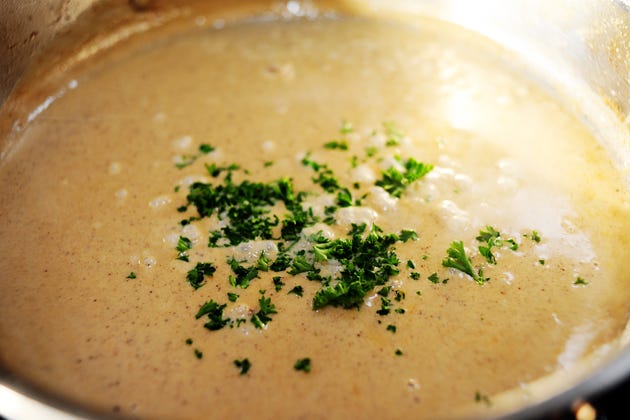
Step 5Reduce the heat to low and pour in the heavy cream. Whisk the sauce together and allow it to cook until the sauce thickens and coats the surface of a spoon, 1 to 2 minutes. Taste and adjust the seasonings or other ingredients. Expect the sauce to have a real tang to it; counter it with a little more broth and cream if it's too strong! Sprinkle in some parsley and capers, and stir.
Step 6Right at the end, cook the pasta until al dente—do not overcook!
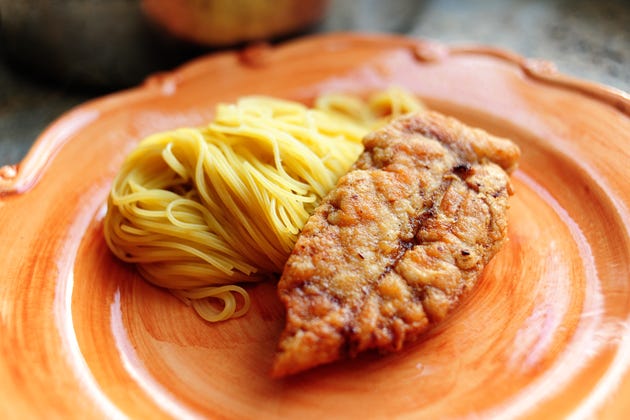
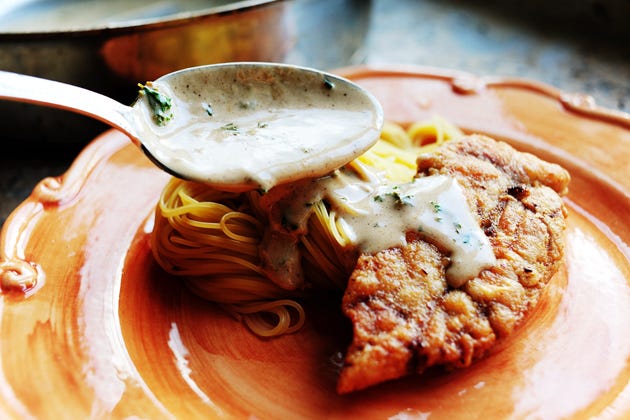
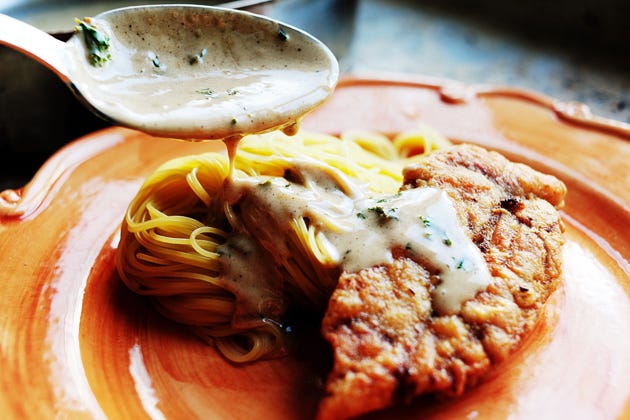
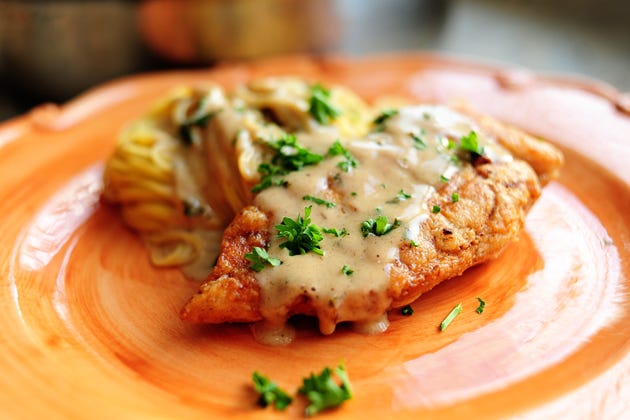
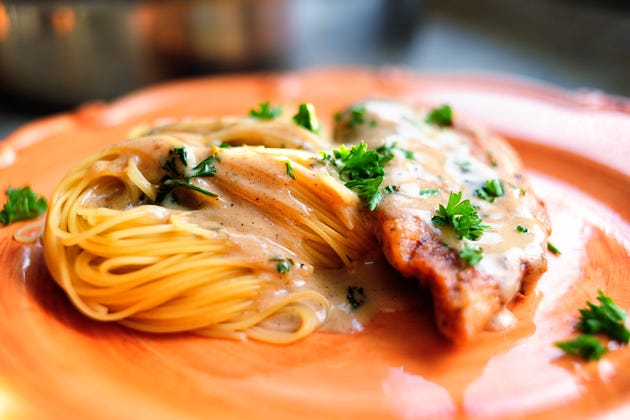
Step 7Using tongs, place a medium-sized mound of pasta on a plate. Place a cooked chicken breast beside it, then spoon the sauce over the chicken and the pasta. The sauce is strong, so no need to drown it. Sprinkle a little more parsley over the top.
Tip: If you're using capers, the kind stored in a liquid brine add a nice tang to the dish—just drain them beforehand.
Ree Drummond
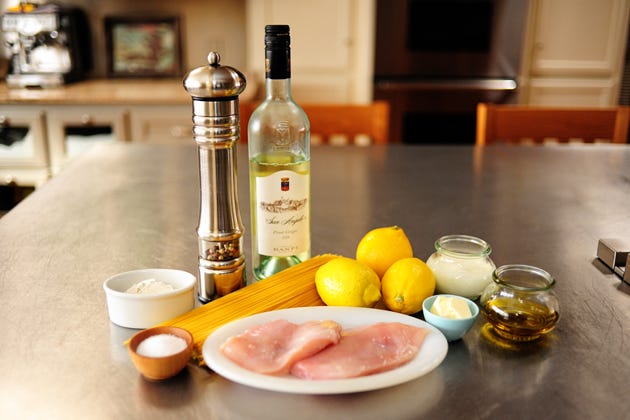
Here’s what you need: chicken breasts, salt, pepper, flour, butter, olive oil, lemons, white wine, chicken broth, heavy cream, and parsley.
Ree Drummond
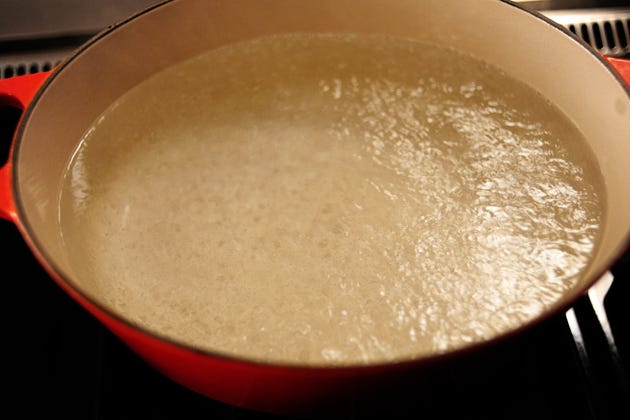
Have a pot of simmering water going. You’ll want to crank it up to a boil toward the end so you can cook the angel hair. (Angel hair cooks in a very short amount of time!)
Ree Drummond
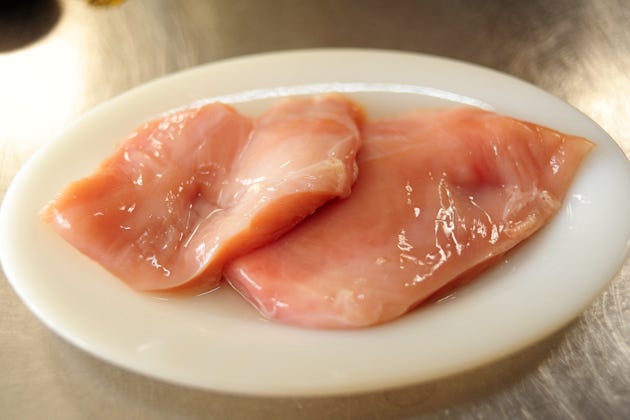
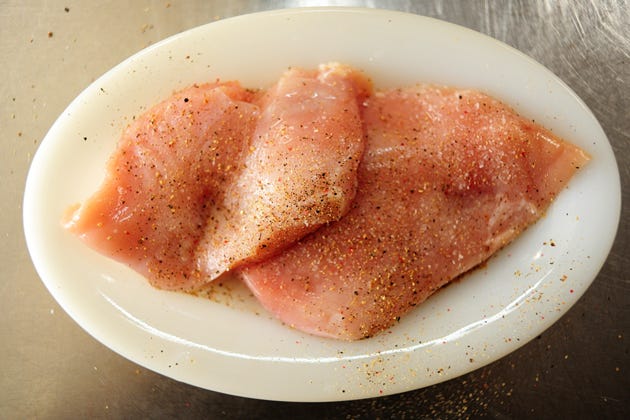
You’ll want some nice, neat boneless/skinless breasts. I’m leaving these as is, but I often pound them a few times to slightly flatten. If the breasts are overly large, you can cut them in half. You just want nice, not overly thick, not overly huge chicken breasts.
Ree Drummond
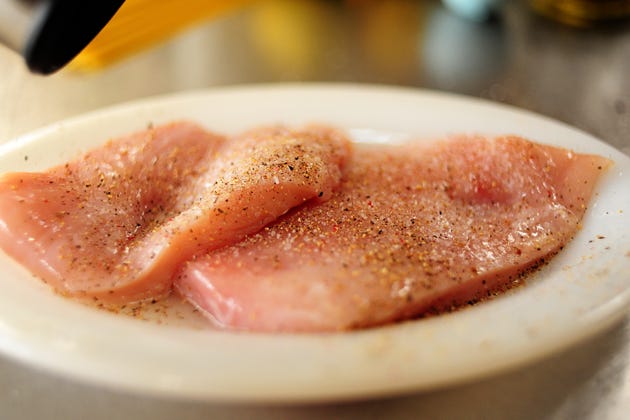
Sprinkle both sides with salt and pepper.
Ree Drummond
If you could also sprinkle your counter with salt and pepper, I’d be most appreciative.
Ree Drummond
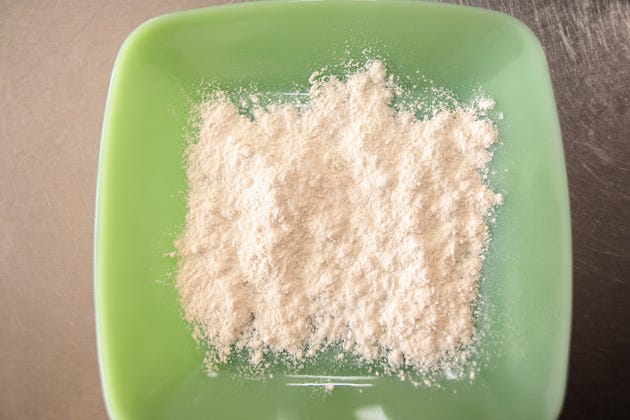
Now throw the flour onto a plate…
Ree Drummond
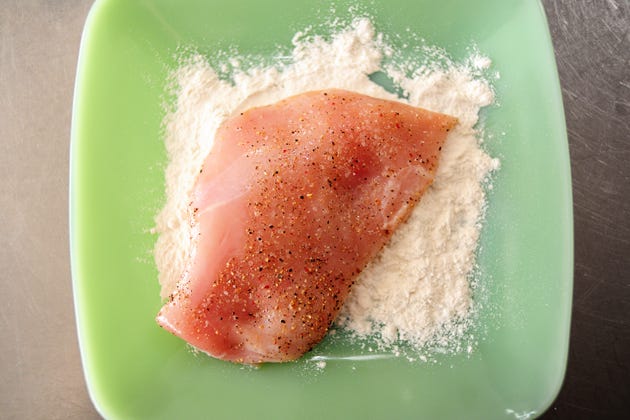
And dredge both sides of the chicken in the flour.
Ree Drummond
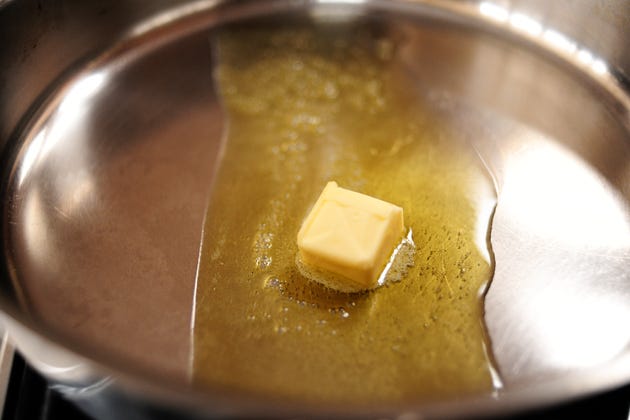
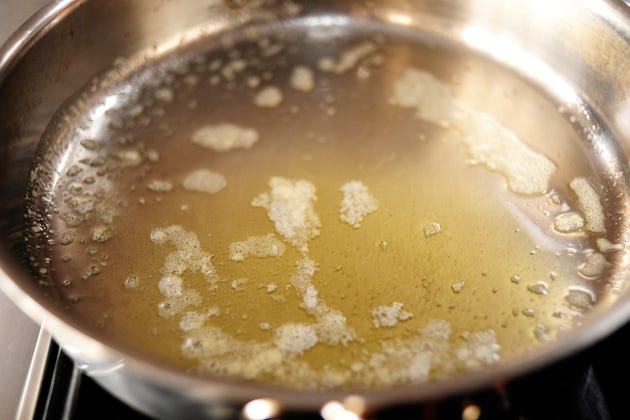
Now, melt half the olive oil and butter in a large skillet.
Ree Drummond
Ree Drummond
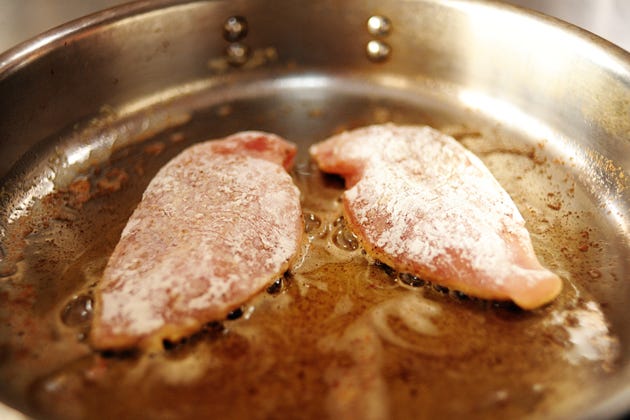
Then throw in two of the dredged chicken breasts.
Ree Drummond
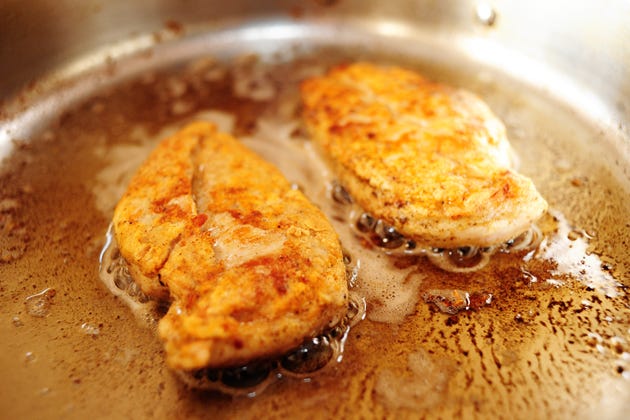
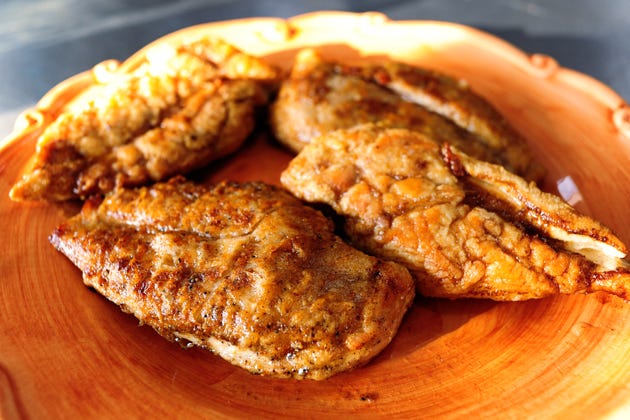
Cook them for about three minutes on both sides, until the chicken is golden and lovely.
Ree Drummond
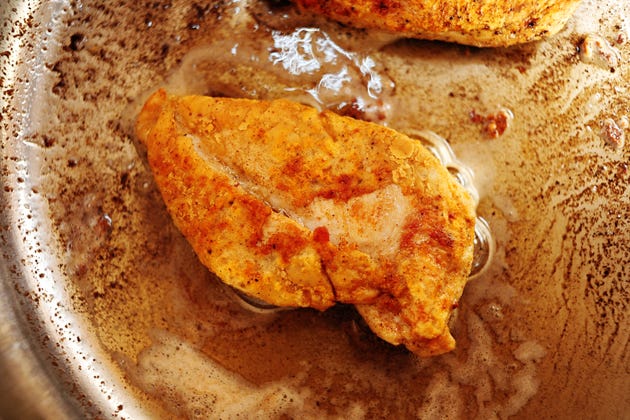
If the breasts are on the thick side, let ’em cook a couple more minutes, but watch the oil and butter to make sure they don’t burn. As you can see, I let mine get a little dark—brown is good; black is not good. (You can also lessen the likelihood that the oil and butter will burn by cooking all four pieces of chicken together at the same time.
Remove the chicken from the skillet and put them on a plate.
Ree Drummond
Ree Drummond
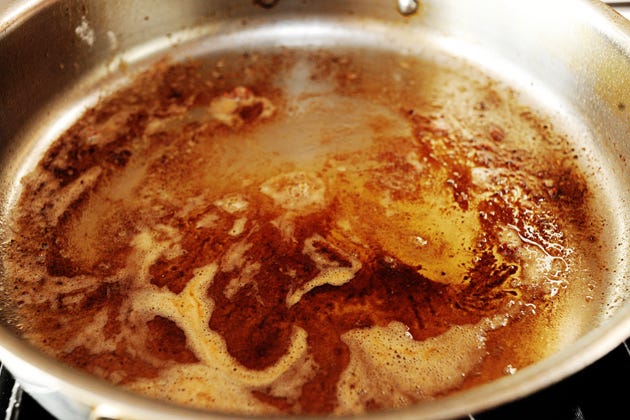
Here’s what the skillet looks like.
Ree Drummond
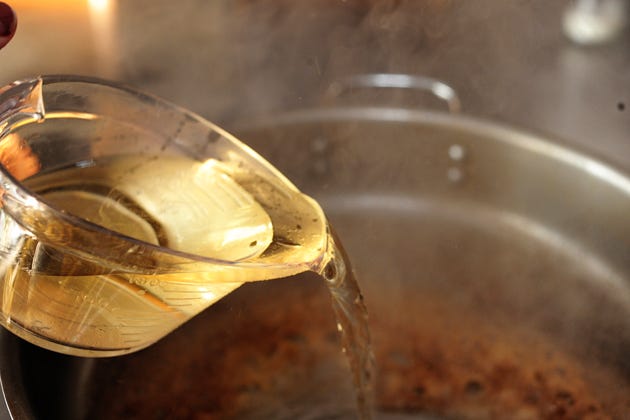
Next, pour in a cup of dry white wine…
Ree Drummond
And a cup of low-sodium chicken broth.
Ree Drummond
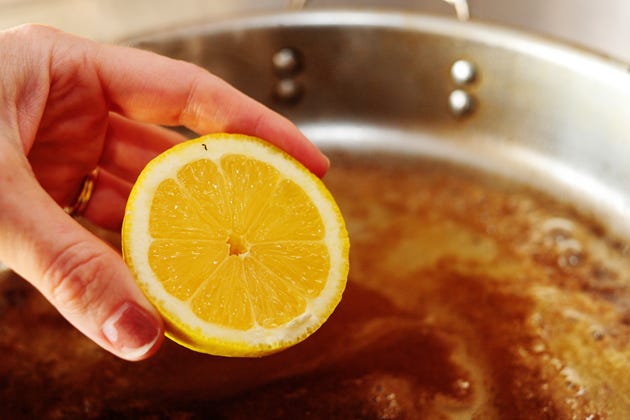
Next, slice a lemon in half…
Ree Drummond
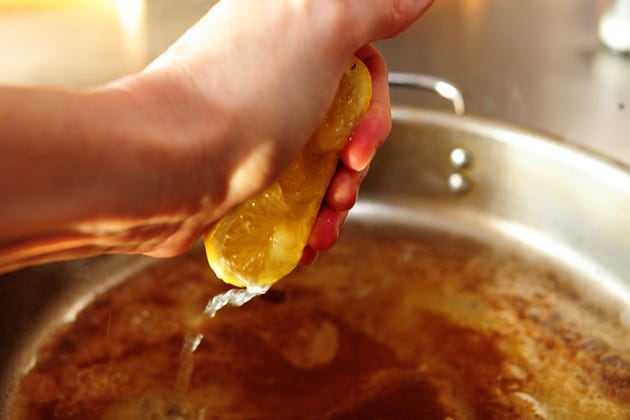
And squeeze the juice right in.
Ree Drummond
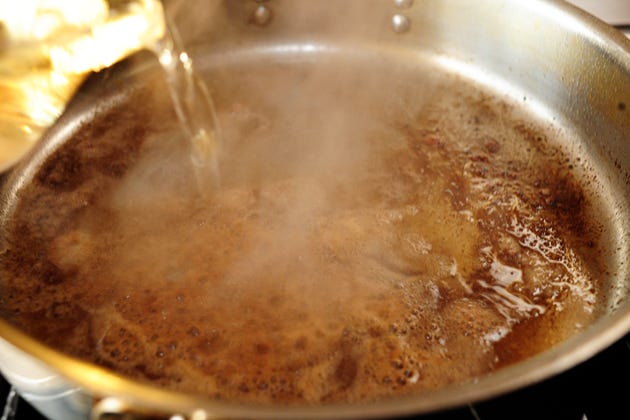
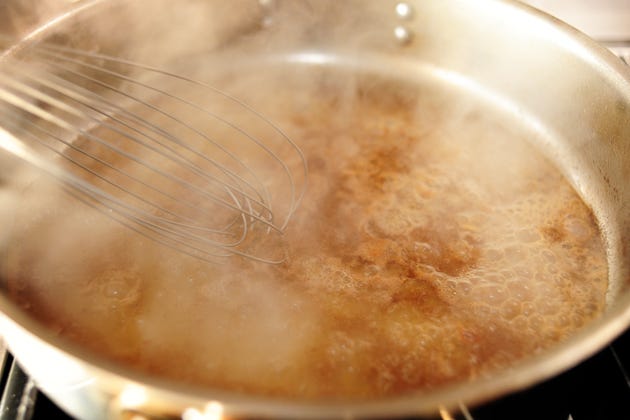
Grab a whisk and whisk away, scraping the bits from the bottom of the pan. Cook this mixture for a few minutes and allow it to thicken and reduce.
Ree Drummond
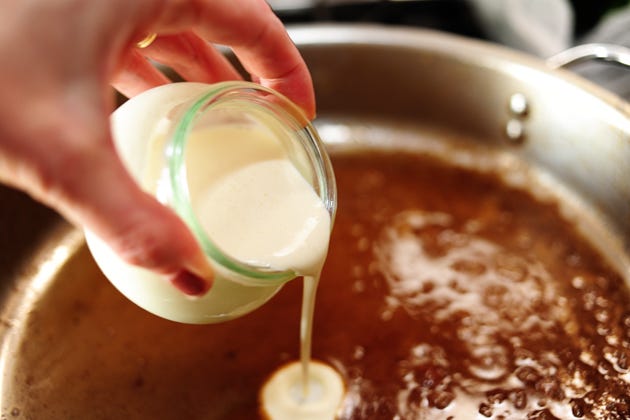
Once it’s reduced, pour in the heavy cream.
Ree Drummond
Whisk it around and let it heat up for a couple of minutes. IMPORTANT: Taste the seasonings, adding more salt and pepper (and/or broth and cream.) The lemon taste really comes on strong, so be prepared to tone it down with some of the other ingredients. During this stage, I add and adjust like crazy, usually more broth and cream.
Ree Drummond
Throw in some chopped parsley and stir it together. You can add capers right now as well, if you like.
Ree Drummond
Drain the pasta and arrange a neat little mound alongside the chicken.
Ree Drummond
Then spoon the sauce over the top of the chicken and pasta…
Ree Drummond
Be sure to get the pasta…but no need to drown it. It’s pretty strong and tangy!


 Jump to recipe